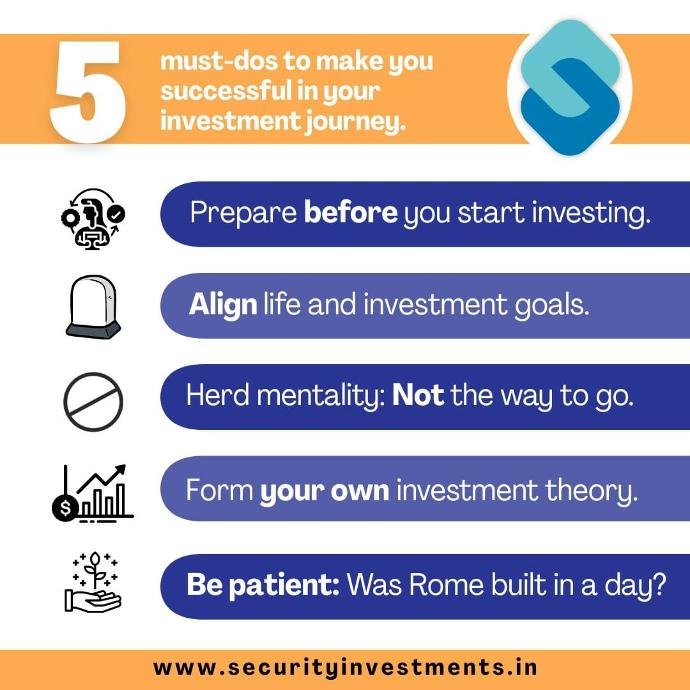
1. Introduction: Success Starts With a Plan
Investing successfully is not about luck or timing the market. It’s about strategy, discipline, and patience. CEOs, professional investors, and executives approach investing like building a business—with a plan, governance, and measurable outcomes.
The key pillars of successful investing are:
- Clear objectives
- Risk management
- Diversification
- Strategic decision-making
- Continuous learning
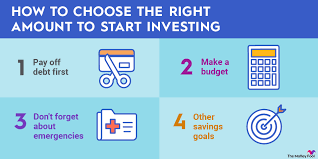
2. Define Your Financial Objectives
2.1 Clarify Your Goals
- Short-term vs. long-term
- Capital growth, income generation, or wealth preservation
- Align goals with personal or organizational risk tolerance
2.2 Establish Time Horizon
- Short-term (less than 3 years)
- Medium-term (3–10 years)
- Long-term (10+ years)
CEO Insight: Treat investing like corporate planning: objectives drive strategy.
3. Understand Your Risk Profile
- Assess your risk tolerance and capacity
- Identify maximum drawdowns you can accept without stress
- Balance growth-oriented and safe investments accordingly
3.1 Risk Management Strategies
- Stop-losses and position sizing for active investments
- Rebalancing portfolios periodically
- Diversification across assets, sectors, and geographies
4. Build a Diversified Portfolio
4.1 Asset Allocation
- Stocks: growth potential
- Bonds: income and stability
- Real Estate: long-term capital appreciation
- Alternative assets: hedge against market volatility
4.2 Geographic Diversification
- Domestic and international investments
- Reduce risk of regional economic shocks
4.3 Sector Diversification
- Avoid concentration in a single industry
- Spread across tech, healthcare, energy, consumer goods, etc.
CEO Insight: Diversification is like a business with multiple revenue streams—reduces dependency on one source.
5. Adopt a Disciplined Strategy
- Decide on a core strategy: value investing, growth investing, index investing, dividend investing, or mixed
- Stick to rules for entry, exit, and allocation
- Avoid reacting emotionally to market fluctuations
CEO Perspective: Treat investing like running a business—decisions should be based on process, not impulses.
6. Monitor and Adjust Performance
- Track KPIs such as ROI, risk-adjusted returns, and drawdowns
- Perform quarterly or annual portfolio reviews
- Adjust asset allocation based on changing goals, market conditions, and performance
7. Continuous Learning
- Study market trends, economic indicators, and company performance
- Learn from successes and mistakes
- Engage with professional advisors or investment mentors
CEO Insight: Knowledge compounds like capital—continuous learning enhances decision-making and reduces mistakes.
8. Maintain Emotional Discipline
- Avoid panic selling during market downturns
- Avoid greed-driven overinvestment during rallies
- Stick to your plan, focusing on long-term results
CEO Perspective: Emotional discipline is as important as financial acumen—your mindset affects performance directly.
9. Leverage Technology and Professional Support
- Use portfolio tracking tools and dashboards
- Employ automated alerts for significant market changes
- Consult financial advisors, tax experts, and legal professionals for strategic decisions
10. CEO-Friendly Investing Routine
- Define clear objectives and risk profile
- Allocate assets strategically across diversified investments
- Set a disciplined investment strategy
- Automate processes and track performance with dashboards
- Review portfolio quarterly and adjust when necessary
- Maintain emotional discipline and avoid impulsive trades
- Continuously learn and refine strategy
“Successful investing is not about chasing returns, but about disciplined planning, risk control, and long-term strategic thinking.”
Summary:
Whether they�re working in the business world or stay-at-home mothers, many people today are drawn to the risky allure of investments, which can mean either huge rewards or painful losses. While it�s impossible to predict the fluctuations of the market with 100% accuracy, as you build your portfolio, you will learn to accept the losses and keep in mind the successes always waiting around the corner.
No one can control the market, but you can control what you invest in. Res…
Keywords:
investments, investing, invest, money
Article Body:
Whether they�re working in the business world or stay-at-home mothers, many people today are drawn to the risky allure of investments, which can mean either huge rewards or painful losses. While it�s impossible to predict the fluctuations of the market with 100% accuracy, as you build your portfolio, you will learn to accept the losses and keep in mind the successes always waiting around the corner.
No one can control the market, but you can control what you invest in. Research products and know the businesses you�re putting your trust – and, more importantly, your dollars – in. One of the most common errors new investors make is jumping to invest in a hot stock from the previous year. It�s a common pattern for a market high to descend to a market low – right at the time you�re investing. This is not always the case, but it pays to invest in a strong stock rather than a fad that�s in one year and out the next.
It�s also important to know why you�re investing in that particular stock. For instance, if you invest strictly to gain some momentum, when prices fall you�ll know to drop out; otherwise, you�ll sit there wondering whether to wait it out or cut your losses.
Ironically, while it�s impossible to predict the market, investments are all about timing. Two of the most important decisions investors make are when to take profits and when to cut losses. When the market is up, some say it�s best to run a profit – a risky choice that could mean a huge loss or an enormous reward. However, many prefer to take their money while the market is rising, in case a fall is on the way. When the market is down, nearly everyone agrees it�s best to close out before it gets worse to avoid losing any more money, cutting your losses.
Most importantly, only invest what you can afford, and have a good reason for investing. Losses are a real part of investment, which means you can�t afford too many rash decisions, especially when you�re starting out. Don�t let the market determine your bank account unless you�re using it to your advantage, whatever that may be.
The smartest thing a new investor can do is study the market. Before investing in a product, look at its record. Don�t jump into any investments – think them over first. Some good sources of information about investments include The Wall Street Journal Guide to Understanding Money and Investing (3rd Edition) by Kenneth M. Morris and Alan M. Siegel, The Real Life Investing Guide by Kenan Pollack and Eric Heighberger, and The Only Investment Guide You�ll Ever Need by Andrew Tobias.
If you stay well-informed and make careful decisions, the market can be an exciting tool. In the business world, anything can happen, and with the market highs come enormous rewards that are well worth the risks.

Tinggalkan Balasan